
 0411 099 989
Hi-Lite Inclined Screens: Selecting the Right Light-Duty Screening Configuration
July 24, 2026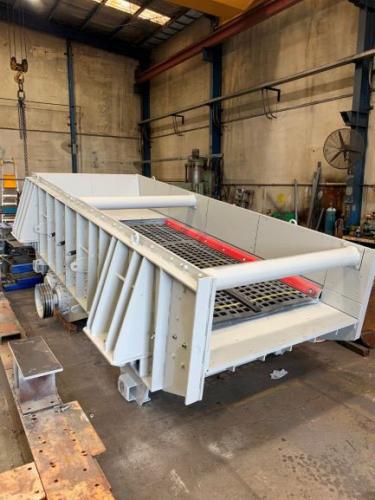
Compare Hi-Lite Inclined Screens for light-duty primary or finished-product screening, with configurations matched to your plant.
The right screen is defined by duty, feed, cut points and required output—not by a generic claim of quarry toughness. This guide shows where Hawk Machinery’s Hi-Lite range fits and what to confirm before requesting a quote.
What Are Hi-Lite Inclined Screens?
Hi-Lite Inclined Screens are Melbourne-manufactured vibrating screens designed for light-duty primary or finished-product screening. Hawk Machinery lists single-, double- and triple-deck arrangements, 15–30-degree inclines and a single-shaft centrifugal circular-motion mechanism across its mining and quarry machinery products.
That definition matters: Hi-Lite is not Hawk’s extra-heavy-duty scalping range or its quarry-and-mining-standard Hi-Ton range. A buyer should match the model family to the actual duty instead of treating every inclined screen as interchangeable.
Where the Hi-Lite Range Can Fit
A correctly specified unit can support screening stages where the duty and material suit the range. Typical decisions include whether the screen will perform light-duty primary separation or finished-product sizing, how many separations are required and which screening media the deck frame must accept.
- Deck configuration: choose one, two or three decks according to the number of required product fractions.
- Inclination: confirm the operating angle within the published 15–30-degree range against material behaviour.
- Screening media: discuss side-tensioned, bolt-down or modular media to suit the application.
- Dust management: ask whether the available totally enclosed dust-sealing arrangement is appropriate.
- Size and power: compare the published models, then validate capacity and motor requirements for the real feed.
Selection Questions Before Ordering
Provide representative feed data rather than relying on a desired tonnes-per-hour figure alone. Particle-size distribution, bulk density, moisture, clay content, abrasiveness, feed presentation and required cut sizes influence selection. Also identify operating hours, upstream equipment, available footprint, discharge heights and maintenance access.
Capacity is application-specific. A screen’s published dimensions and motor power do not establish performance for an untested material. Ask how feed distribution across the deck, screen aperture, open area and retained bed depth will affect separation efficiency. If the material changes seasonally, include both dry and wet operating conditions in the brief.
For a remote operation, field-replaceable components may simplify planned maintenance: Hawk states that individual bolted components can be replaced onsite without special tools. That does not make the unit mobile or guarantee uptime. Spares strategy, lifting access, inspection frequency and competent maintenance still need project-specific planning.
Screen Safety and Integration
A vibrating screen must be integrated with guarding, isolation, access and surrounding plant controls. Use the Safe Work Australia plant risk guidance as a general risk-management reference, then apply site procedures and engineering requirements. Final suitability depends on the complete circuit, not the screen alone.
Request a Screen Matched to the Duty
Hawk Machinery also publishes heavier screening equipment options when the duty falls outside Hi-Lite’s intended scope. Send your feed information, cut sizes, duty, deck preference and layout constraints so the range can be compared properly.
Avoid specifying a screen from a headline alone. Contact Hawk Machinery for an application discussion and a configuration based on your plant requirements.