
 0411 099 989

Quarry Dewatering Screens: Match the Screen to the Feed
November 19, 2026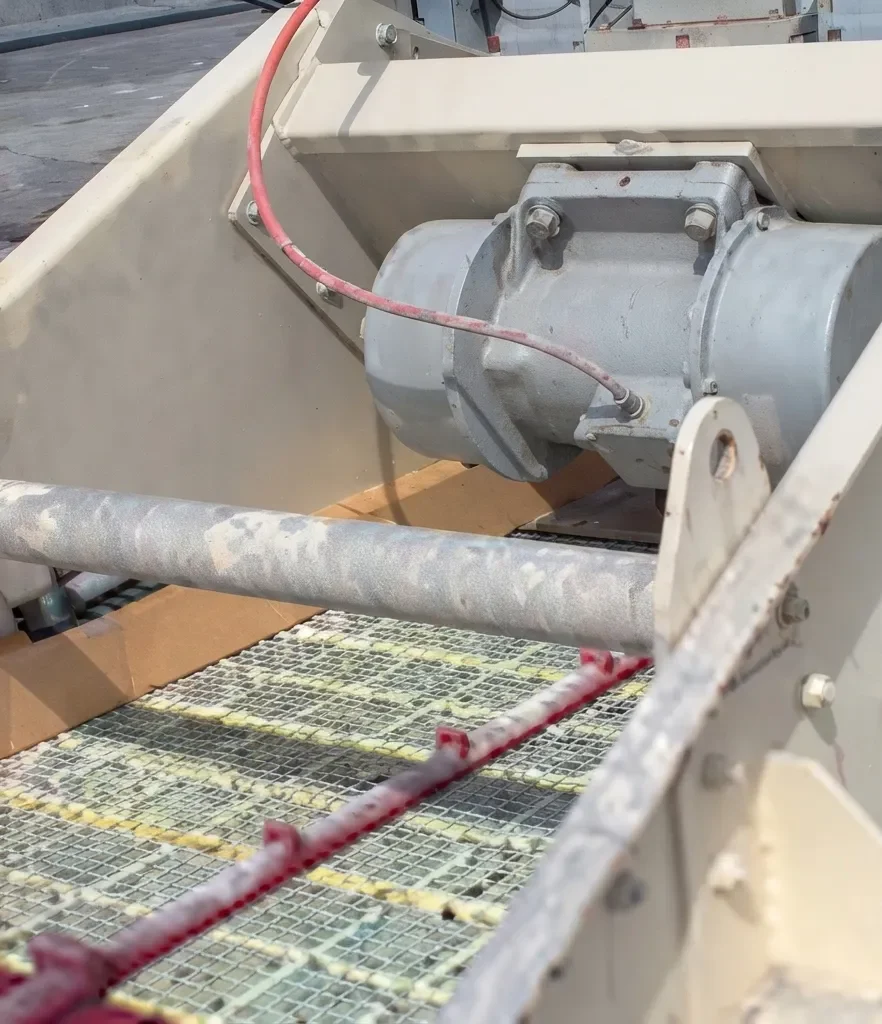
Hawk Machinery explains how quarry dewatering screens in Melbourne are matched to feed rate, water volume, particle size, fines and actual site conditions.
Selecting quarry dewatering screens by nominal tonnage alone can produce uneven drainage, wet discharge and unnecessary wear. The equipment must handle both the mass of solids travelling across the deck and the water passing through the screening media. Quarry operators therefore need to define the feed and required product condition before selecting a screen configuration.
What Feed Data Should Be Defined Before Screen Selection?
Screen duty should be defined using normal and peak operating data, including dry-solids throughput, total slurry flow, percentage solids and operating hours. Particle-size distribution, bulk density, particle shape, abrasiveness and feed variability should also be assessed because they affect material movement, media selection and wear. The assessment should also define the required discharge condition, acceptable fines loss and any downstream equipment limits.
How Feed Conditions Affect Dewatering Performance
Feeds with equal wet tonnage can behave differently when their water content, grading or fines content changes. Each condition places a different hydraulic or mechanical demand on the screening surface, so we do not size a machine from one figure in isolation. AusIMM research on fine wet sizing and dewatering notes that dewatering depends on the area from which water must drain and the water carried in the feed or added for washing.
- High water flow: It can exceed the available drainage area even when solids throughput appears manageable.
- Fine particles and clay: They can restrict drainage pathways within the material bed and contribute to aperture blinding.
- Near-size particles: They can increase pegging and reduce the effective open area.
- Abrasive aggregate: It influences media selection, wear protection and replacement planning.
- Uneven feed presentation: It can concentrate loading on part of the deck, producing inconsistent discharge and localised wear.
Matching Screen Configuration to the Quarry Duty
Feed assessment informs screen area, aperture, open area, deck angle, vibration settings, media configuration and feed distribution. A larger aperture may improve drainage but may also allow more fine material into the underflow, so final product and water-handling requirements should be defined together. For this reason, quarry dewatering screens should be configured against measured site conditions rather than a generic capacity figure, as reinforced by our dewatering screen selection guidance.
Our HiFlow dewatering horizontal screen is manufactured wholly in Melbourne and uses twin contra-rotating motor drives to produce linear motion. It can be supplied in single- or double-deck form, positioned horizontally or inclined up to 10 degrees, with adjustable counterweights used to change amplitude. Deck frames can accommodate side-tensioned, bolt-down or modular screening media and ball decks, while bolted components support onsite replacement without special tools; together, these options can be matched to drainage, material travel, fines recovery and maintenance access.
Hawk Machinery Quarry Dewatering Screens for Feed-Specific Duties
A sound specification begins with representative feed information, realistic peak rates and a clearly defined discharge requirement. At Hawk Machinery, we assess these inputs alongside the available plant layout and screening duty. This approach helps align the machine configuration with material behaviour, water load, maintenance access and downstream handling needs.
Contact us with your feed data and plant requirements for a dewatering screen assessment.