
 0411 099 989
Reducing Screen Blinding with Hi-Scalp Vibrating Screens
August 27, 2026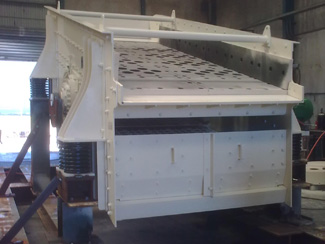
Hawk Machinery hi-scalp vibrating screens reduce screen blinding risk in heavy-duty primary screening. Discuss your Australian plant requirements now.
Hi-Scalp vibrating screens can reduce the conditions that allow blinding to choke a primary screening stage, but only when the machine, media and operating settings suit the feed. At Hawk Machinery, we match the screen configuration to material behaviour, required cut, feed rate and plant layout rather than treating vibration as a universal cure.
How Do Hi-Scalp Vibrating Screens Reduce Screen Blinding?
Screen blinding occurs when wet, sticky or fine material covers or bridges apertures, reducing open area and restricting separation. Hi-Scalp vibrating screens use an inclined deck and centrifugal circular motion to keep feed travelling across the screening surface. The movement can limit stagnant zones, but actual performance still depends on moisture, clay content, particle shape, feed presentation and the selected media.
Our Hi-Scalp vibrating screen range is manufactured in Melbourne for extra-heavy-duty primary or scalping duties. Published configurations include single- or double-deck designs, 15–30-degree inclines, single- or double-shaft mechanisms, and grizzly bar, modular rubber or punched-plate media. Those options let us assess the screen as a system instead of claiming one deck arrangement will solve every blinding problem.
What Feed Conditions Increase Blinding Risk?
Before specifying equipment, we look for the operating conditions that are closing the apertures or preventing even material travel:
- High moisture or clay: Cohesive feed may smear across the media and bridge openings.
- Excess fines: Near-size particles can lodge in apertures or bind into a surface layer.
- Uneven feed presentation: Concentrated loading leaves part of the deck underused while another area overloads.
- Unsuitable or worn media: Aperture shape, material and condition can determine whether particles release or remain trapped.
These observations should be recorded before changes are made. Our earlier article on reducing blinding and pegging also explains how aperture geometry and flexible polyurethane media may influence material release.
Which Hi-Scalp Configuration Should a Plant Assess?
The correct specification starts with duty data, not a catalogue shortcut. We assess feed size distribution, moisture variation, target separation, required throughput, available footprint, discharge arrangement and access for inspection. Hi-Scalp vibrating screens are available in listed sizes from 915 mm × 1830 mm to 1830 mm × 4880 mm, but size alone does not establish capacity or prove that blinding will disappear.
Media selection also matters. Grizzly bars may suit coarse scalping, while modular rubber or punched plate can suit different wear, aperture and maintenance requirements. Any intervention must follow the site’s isolation, guarding and risk-control procedures; Safe Work Australia’s mining guidance identifies moving machinery and high-risk plant among mining hazards.
What Information Speeds Up a Screening Assessment?
Send us representative feed data, moisture range, current deck dimensions, aperture and media details, target cut, normal and peak feed rates, plus photographs of the blinded areas. This gives our team a practical basis for discussing whether a Hi-Scalp configuration, media change or broader process review is warranted.
Request a Hi-Scalp Screening Assessment
If screen blinding is constraining production, Hi-Scalp vibrating screens should be assessed against your real feed and plant conditions—not sold on assumptions. Contact us for a screening equipment enquiry and share your duty data so we can discuss a suitable configuration and quotation.