
 0411 099 989
Primary Crusher Wear: How Scalping Screens Reduce Liner Costs in Hard Rock Quarries
September 28, 2026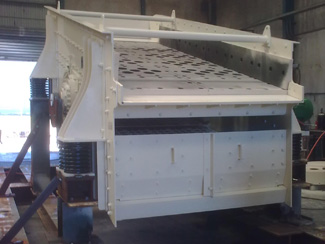
Reduce avoidable primary crusher wear with Hawk Machinery scalping screens engineered for demanding Australian quarry feed applications.
Scalping can reduce avoidable liner wear in jaw-crusher circuits by removing fines and undersized material before they enter the crushing chamber. Results depend on feed characteristics, screen selection, crusher type and circuit operation.
How Scalping Screens Can Reduce Primary Crusher Wear
Jaw crushers reduce larger feed particles, while undersized material can pass through the chamber, increase wear and, when damp, restrict capacity by packing inside. A correctly configured scalping stage diverts fines around the crusher, supporting steadier feed conditions and longer wear-part intervals. However, it cannot eliminate liner wear or guarantee savings because performance still depends on rock abrasiveness, crusher settings, feed distribution and operating practices.
Metso’s technical guidance on scalping before jaw crushers identifies increased wear-part life, lower energy use and higher capacity as potential advantages when material below the crusher setting bypasses the chamber.
Match the Screen to the Quarry Feed
Equipment selection must begin with site data rather than a standard screen size. Key inputs include:
- Top feed size: The feed opening, impact area and deck must accommodate the largest expected rocks without repeated blockages.
- Fines content: Particle-size distribution helps determine the required aperture, open area and bypass arrangement.
- Material behaviour: Abrasive, wet or sticky feed can affect media choice, screening efficiency and maintenance demand.
- Required capacity: The screen must handle throughput and surges without restricting the circuit.
- Available layout: Feed height, inclination, chute geometry and discharge paths need to fit the plant.
- Maintenance access: Inspection, lubrication and media replacement should be considered during layout planning.
Operating data are essential because removing too little undersize limits the value of scalping, while an unsuitable aperture may divert material needed for the crusher product.
Hawk Equipment for Primary Feed Preparation
Our mining and quarry machinery range includes HiScalp vibrating screens and vibrating grizzly feeders for primary-feed duties. HiScalp units are available in single or double-deck arrangements with grizzly bars, punched plate or modular rubber deck options. Our HiFeed vibrating grizzly feeders combine a pan impact area with grizzly sections that separate fines before feeding the primary crusher.
Equipment dimensions and configurations are application specific. We review feed size, capacity, material characteristics and plant arrangement before recommending a machine. Our article on XHD scalping screens for load management provides more information about screening abrasive, high-volume material.
Measure the Result Instead of Assuming Savings
A screen installation should be assessed using baseline and post-change operating data. Useful measures include:
- liner life in operating hours or tonnes processed
- crusher power draw and throughput
- fines bypassed before crushing
- chamber blockages and unplanned stoppages
- screen-media wear and maintenance time
These figures show if reduced crusher wear offsets the added capital, maintenance and chute requirements of the scalping stage.
Review Your Primary Crushing Circuit
Hawk Machinery manufactures and supplies heavy-duty screening, feeding and conveying equipment from Melbourne for quarry and mining operations. We tailor modified standard products and plant layouts to specific processing requirements rather than promising a universal wear result.
To address primary crusher wear, contact Hawk Machinery with your feed analysis, crusher type, target capacity, current liner life and plant layout. We can review the duty and discuss a suitable scalping or grizzly-feeder configuration.