
 0411 099 989
Silica Dust Compliance: Essential Safety Standards for Australian Quarry Operators
May 25, 2026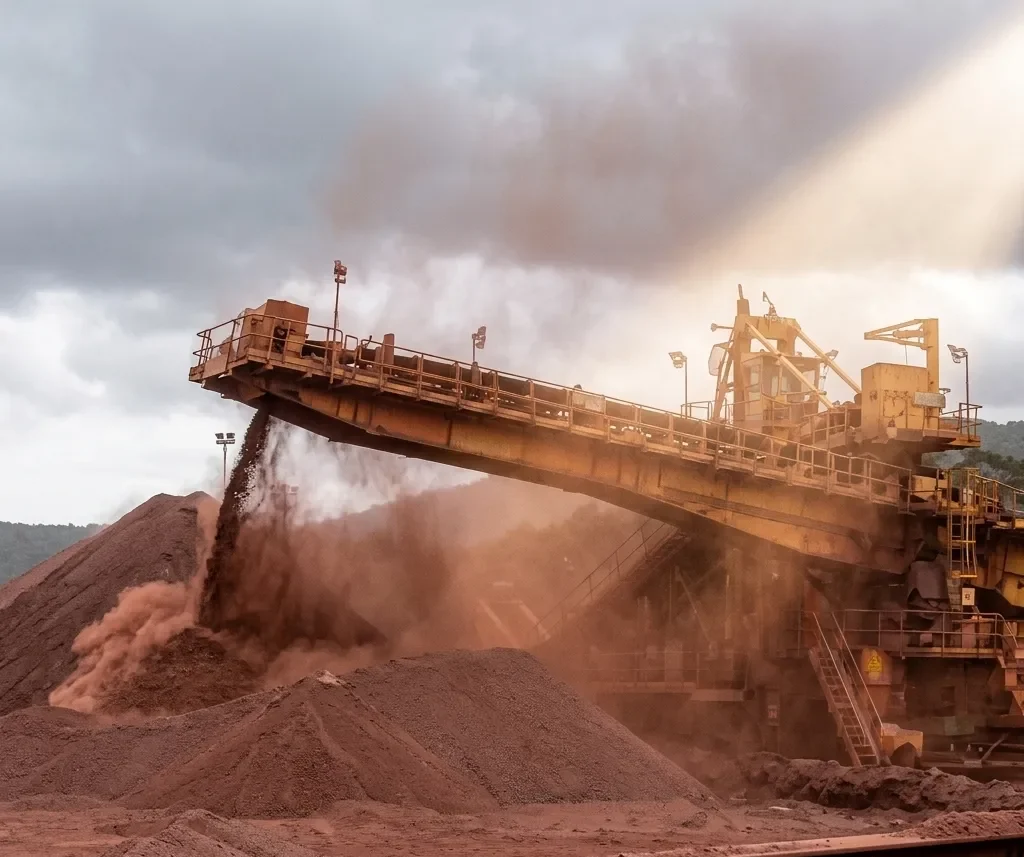
Stay ahead of silica dust compliance with Hawk Machinery Melbourne. Align with 2026 WEL standards and control dust across quarry operations today.
Quarry operations across Australia face increasing scrutiny as regulators intensify inspections at high-risk sites. Strong silica dust compliance supports safer working conditions while reducing the risk of penalties and operational delays. Equipment selection and site design now play a direct role in maintaining consistent dust control.
Understanding High-Risk Crystalline Silica Work (HRCSW) in Melbourne
High-risk crystalline silica work occurs during crushing, screening, and material transfer across quarry sites. These processes release fine airborne particles that can accumulate quickly around active plant and handling zones.
Quarries in Melbourne must apply practical controls to reduce exposure and maintain safe working conditions. Effective silica dust compliance depends on identifying high-risk areas and implementing engineered solutions that control dust at the source.
The Shift from WES to WEL: What Happens in December 2026?
Australia’s exposure framework is tightening, with clear expectations already influencing site planning and equipment selection. Quarry operators must align current processes with upcoming regulatory benchmarks to avoid disruption and ensure continuity.
The transition introduces measurable changes that directly impact compliance strategies:
- Current Legal Limit: Maintain exposure below 0.05 mg/m³ over an 8-hour time-weighted average. This standard remains enforceable and requires consistent monitoring across all dust-generating activities.
- 2026 Transition: Australia adopts Workplace Exposure Limits (WEL) from 1 December 2026. This update formalises stricter expectations and reinforces the need for proactive dust-control planning.
- Precautionary Target: Regulators recommend designing systems to achieve 0.02 mg/m³. This lower benchmark helps future-proof operations and reduces the likelihood of non-compliance under tighter controls.
- Increased Monitoring: Sites must demonstrate consistent airborne dust measurement and reporting. Reliable monitoring systems support compliance verification and provide data for regulatory audits.
- Enforcement Focus: Regulators are targeting high-risk operations for compliance verification. Inspections are increasing, with penalties applied where dust control measures are insufficient.
Engineering Controls: Why Wet-Suppression Systems Outperform PPE
Engineering controls deliver consistent dust reduction across quarry processes and reduce reliance on operator-dependent measures. Wet-suppression systems minimise airborne particles at crushing and transfer points, improving visibility and site safety.
Quarry operators who prioritise engineered solutions achieve stronger silica dust compliance outcomes across high-production environments. Systems integrated into plant design provide reliable performance and reduce maintenance disruptions, aligning with Safe Work Australia’s workplace exposure standards for airborne contaminants, which guide acceptable dust limits and monitoring practices.
How Modern Hawk Machinery Plant Simplifies Dust Management
Modern quarry equipment must support both productivity and regulatory requirements without adding complexity. Our team at Hawk Machinery supplies plant solutions designed to reduce dust generation through efficient material flow and controlled processing.
Integrated features such as enclosed transfer points and suppression-ready configurations support long-term silica dust compliance. These systems help operators maintain steady production while aligning with tightening Australian standards.
Quarry Safety and Equipment Solutions
Quarry operators who adopt engineered plant solutions improve site safety and maintain regulatory alignment. Hawk Machinery provides durable crushing and screening equipment built for Australian quarry environments. These solutions enhance silica dust compliance by reducing airborne dust and improving control at critical processing points.
Contact us to implement equipment that supports safer and compliant operations.